
Decoding the Aussie Brunch: How to Customise Cafe Menus for Sustained Energy

Why Your Weekend Cafe Ritual Leaves You Ready for a Nap
Australia”s café culture has earned its reputation honestly. A good weekend brunch brings together fragrant coffee, crisp toast, creamy avocado, golden eggs and the easy pleasure of lingering at the table. It is a sensory ritual as much as a meal, particularly after a busy week when a relaxed café setting and a beautifully prepared plate can feel like exactly the right kind of reset. The appeal of a quality Australian cafe experience lies in that balance between comfort and craft.
Yet the same plate that looks generous and inviting can leave you searching for a nap before midday. A large serve of white bread, sweet toppings, fried sides, rich sauces and a milky coffee may deliver plenty of immediate energy, followed by heaviness, thirst or a foggy mid-morning slump. The good news is that brunch does not need to become austere to feel better. With a few thoughtful menu adjustments, familiar favourites can retain their richness, colour and pleasure while offering a steadier combination of carbohydrate, protein, fibre and satisfying fats.
Understanding the Mid-Morning Slump and Blood Sugar Dynamics
Carbohydrates are not the enemy of an enjoyable brunch. They are an important source of glucose, which the body uses for energy, and they can be especially useful before an active day. The issue is often the form, portion and company of those carbohydrates. Highly refined bread, sweet pastries, syrups and fruit-based sauces are digested relatively quickly. When a meal contains a large amount of these foods without enough protein or fibre, blood glucose can rise sharply, followed by a stronger insulin response and a sensation of tiredness as the initial surge fades.
The glycaemic index, or GI, ranks carbohydrate-containing foods according to how quickly they raise blood glucose. The glycaemic load, or GL, adds portion size to the picture. A food can have a moderate GI but still contribute a substantial glucose response if the serving contains a large amount of carbohydrate. The distinction is explained clearly by Better Health Channel guidance, while a review of international GI labelling notes that GI reflects the food”s digestible carbohydrate and GL accounts for the quantity in a serving. These measures are useful signposts, not a reason to judge a meal in isolation.
For a more even energy pattern, think about the whole plate rather than one ingredient. Eggs, salmon, yoghurt, legumes and cheese can supply protein, while avocado, nuts and seeds contribute texture and unsaturated fats. Vegetables, intact grains and fruit with their fibre largely intact help slow the overall pace of digestion. Practical signs of a better-balanced order include:
- A clear source of protein, such as eggs, fish, yoghurt, tofu or beans.
- Fibre-rich carbohydrates, including seeded bread, oats, legumes, vegetables or whole fruit.
- A moderate portion of rich fats and sauces, chosen for flavour rather than used to fill the plate.
- A drink with little or no added sugar, particularly when the meal already contains bread or sweet toppings.
Mastering the Sourdough Shift and Smarter Bread Swaps
Not all sourdough is made in the same way. Traditionally fermented sourdough uses a culture of wild yeast and lactic-acid bacteria, with the dough given time to develop flavour and structure. Fermentation can alter the bread”s acidity and starch behaviour, and may make some sourdough varieties a more gradual carbohydrate choice than highly processed white bread. The response still depends on the flour, recipe, slice size and cooking method, so “sourdough” should not be treated as an automatic health claim. A dense, wholegrain loaf is generally a more useful choice than a pale loaf simply carrying a sourdough label.
Here is a practical comparison for the café counter:
| Bread choice | What to keep in mind | A considerate swap |
|---|---|---|
| White toast | Soft texture and quick-digesting refined flour | Ask for wholegrain or seeded sourdough |
| Brioche | Enriched with butter, eggs and often sugar | Choose sourdough when the topping is already rich |
| Turkish roll | Often large, airy and made with refined flour | Request one slice of grain bread or half the roll |
| Dense seeded sourdough | More texture and fibre, with a slower eating pace | Pair with eggs, avocado, salmon or beans |
Ordering the change need not feel high-maintenance. “Could that come on seeded sourdough, please?” or “Could the roll be swapped for one slice of wholegrain toast?” is clear, familiar café language. If the kitchen cannot make the exact substitution, simply reducing the bread portion and adding vegetables can still improve the balance. The best choice is the one that works with the menu and leaves the meal enjoyable rather than turning brunch into a negotiation.
Re-Engineering the Smashed Avo and Big Breakfast
Smashed avocado is already a useful foundation: creamy, savoury and rich in unsaturated fat, with some fibre and plenty of flavour. Its weakness is not the avocado itself but the possibility of eating a large amount of bread and avocado without enough protein. Adding two poached eggs creates a more substantial meal with a silky yolk that works naturally with the avocado. Smoked salmon brings protein and a salty, delicate richness, while marinated goat feta offers a tangy vegetarian option. For plant-based diners, baked tofu, white beans or a generous spoonful of hummus can provide a similar structural role.
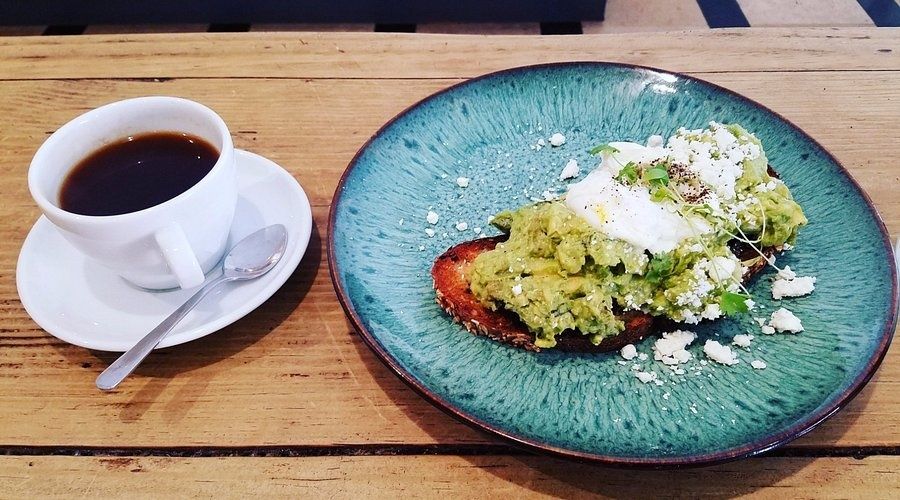
Eggs also make a big breakfast easier to customise. Processed sausages and hash browns can be delicious, but they may bring a heavy combination of refined starch, salt and saturated fat. Grilled field mushrooms, wilted greens and blistered tomatoes add savoury depth, colour and volume without making the plate feel like a compromise. A side of beans can contribute fibre and plant protein, while one slice of good toast is often enough when the plate already contains eggs and vegetables.
| Standard order | More energising modification | Why it works |
|---|---|---|
| Smashed avo on white toast | Seeded sourdough, two poached eggs and tomato | Combines slower-digesting bread with protein and produce |
| Smashed avo with feta | One slice of sourdough, avocado, eggs and a small amount of feta | Keeps the creamy, salty finish while moderating richness |
| Big breakfast with sausages and hash browns | Eggs, mushrooms, wilted greens, tomatoes and beans | Increases fibre and vegetables while reducing processed sides |
| Eggs on toast with butter | Poached eggs on grain toast with greens and avocado | Adds texture, fibre and satisfying fats |
Portion awareness matters even when every ingredient is nutritious. A very large serve of avocado, multiple slices of bread and a generous side of beans can still feel heavy. The Better Health Channel”s breakfast guidance highlights the value of combining foods such as eggs, vegetables, fruit, yoghurt, nuts and wholemeal toast, while also recognising that breakfast is only one part of the day”s overall eating pattern. For anyone with diabetes or another medical condition, individual advice from an accredited practising dietitian or healthcare professional is more appropriate than relying on general menu rules.
Lightening Rich Sauces and Sweet Temptations
Eggs Benedict is a classic for good reason. The contrast between a soft poached egg, toasted bread, smoky ham or salmon and warm hollandaise is deeply satisfying. Hollandaise is traditionally an emulsion of egg yolks, lemon juice and butter, so it is naturally rich. Asking for the sauce on the side gives you control over each bite without removing the pleasure. A few spoonfuls across the eggs can provide the lemony, buttery finish, while the rest of the plate remains lighter. The same approach works with aioli, creamy dressings and buttery mushroom sauces.
Sweet brunch dishes deserve the same calm, practical treatment. Acai bowls can contain a nutritious base but become dessert-like when topped with large amounts of granola, honey, coconut and nut butter. Choose a moderate granola serve, ask for syrup separately and add yoghurt or seeds for more staying power. Pancakes and fruit French toast are best enjoyed as a deliberate treat, particularly when paired with eggs, plain yoghurt or fresh fruit rather than several sweet extras. Sharing a stack can also preserve the pleasure while avoiding a very large refined-carbohydrate portion.
Drinks can quietly determine whether a meal feels balanced. Use this simple ordering sequence:
- Start with the coffee style that genuinely suits the meal. A flat white with whole milk is creamy and satisfying, but remember that it contributes energy alongside the food.
- Skip flavoured syrups when the plate already includes jam, honey, chocolate, caramel or sweet fruit. Ask for cinnamon or an unsweetened spice blend if extra aroma is welcome.
- For a cooler option, choose an unflavoured cold brew, sparkling water or plain iced long black. These avoid the added sugar found in many bottled or blended café drinks.
- If a sweet drink is part of the occasion, order the smaller size and savour it slowly rather than pairing it with several other sugary items.
A lighter sauce does not have to be less appealing. Greek yoghurt can create a tangy, creamy alternative in home kitchens, and herbs, Dijon mustard, lemon, paprika and chilli can provide plenty of character without relying solely on butter. The useful principle is moderation, not prohibition. Brunch should still feel generous, with rich elements placed where they have the greatest flavour impact.
Step Up to the Counter with Confidence This Weekend
Café customisation is now a normal part of modern Australian dining. Swapping bread, placing sauce on the side, adding eggs, choosing grilled vegetables or requesting an unsweetened drink gives the kitchen useful information about how to serve the meal well. A gracious, specific request is usually easier to accommodate than a long list of restrictions, and most experienced café teams understand that diners may have preferences related to energy, training, allergies, ethics or simple appetite.
The aim is not to remove pleasure from brunch. It is to build a plate that carries you comfortably into the afternoon: fermented dough with texture, colourful vegetables, a reliable protein source, satisfying fats and a drink that supports rather than overwhelms the meal. Order the smashed avo with confidence, enjoy the hollandaise thoughtfully, share the pancakes if that suits the table and leave room for the conversation that makes weekend café culture special. With a few well-chosen adjustments, the table can deliver both indulgence and the clear-headed energy to enjoy the rest of the day.